



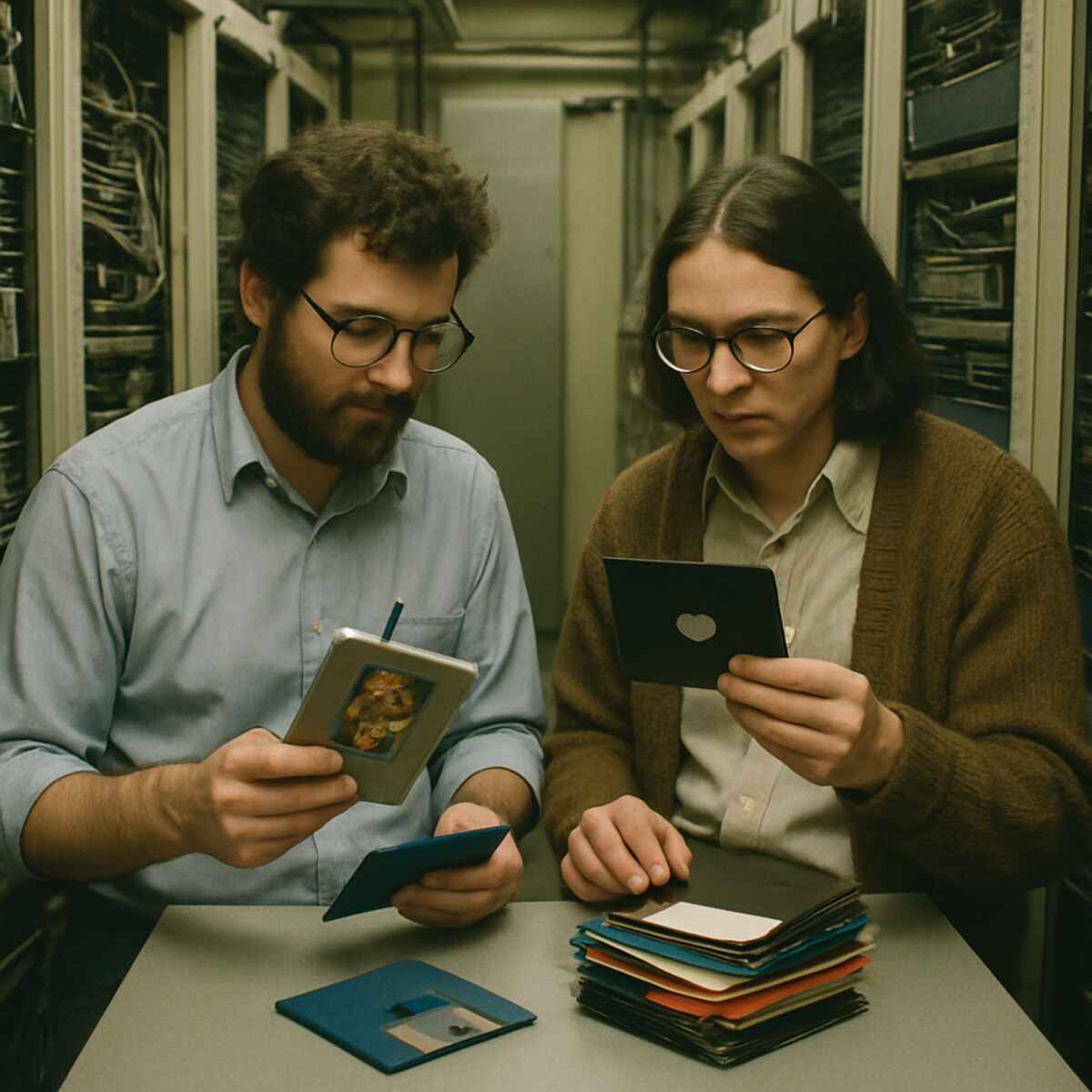
The world of video games has grown exponentially since the days of pixelated screens and coin-operated arcades. Today, the gaming industry is a sprawling digital universe consisting of tens of thousands of titles across multiple platforms, genres, and generations. Whether you are an avid gamer, an archivist, a researcher, or simply someone looking to curate a personal game collection, navigating this vast landscape requires more than just a passing interest. It requires a structured approach—a reliable index of games. Check out the Best info about jago89 login.
In this comprehensive guide, we will explore everything you need to know about navigating the digital gaming world. From learning how to find specific gaming software online to understanding the intricate history of video game preservation efforts, this article serves as your ultimate roadmap. We will delve into how to organize your libraries, where to find reliable metadata, and provide a carefully curated index of some of the most influential and popular video games in history.
The Importance of a Structured Game Index
A digital game library is fundamentally different from a physical bookshelf. With physical media, you can clearly see what you own. In the digital age, your titles might be scattered across Steam, Epic Games, GOG, console dashboards, and retro emulators. Without a unified system, you risk losing track of the games you love, the titles you want to play, and the history embedded within them.
Creating or utilizing a comprehensive index of games solves this problem. It transforms a chaotic digital hoard into a highly curated, easily accessible museum of interactive entertainment.
What Defines a True Video Game Catalogue?
A robust video game index does much more than list titles. It provides context. A true database will offer:
- Detailed Release Data: Information on global release dates, platform exclusivity, and developer credits.
- Rich Media: High-quality box art, screenshots, and gameplay videos.
- Categorization: Advanced tagging for genres, sub-genres, themes, and gameplay mechanics.
- User Integration: The ability for users to track their personal playtime, achievements, and completion status.
The History of Video Game Preservation Efforts
To appreciate the modern game collection, one must understand how we got here. The history of video game preservation efforts is a fascinating tale of passion, legal battles, and technological innovation.
In the 1980s and 1990s, video games were largely viewed as disposable entertainment. Source code for massive hits was frequently overwritten, lost, or discarded by the developers themselves. Physical cartridges and floppy disks degrade over time—a phenomenon known as “bit rot” or “disc rot.”
Recognizing that an entire medium of modern art was at risk of disappearing, passionate communities began to form. Archivists started dumping ROMs (Read-Only Memory) from physical cartridges onto hard drives. Grassroots initiatives evolved into massive, organised efforts by organisations such as the Video Game History Foundation and the Internet Archive, which fight tirelessly to preserve source code, marketing materials, and playable code for future generations. Today, establishing a reliable index of games is considered a vital part of media preservation.
Mastering Game Discovery: How to Find Specific Gaming Software Online
The internet is vast, and finding a specific, perhaps obscure, title can feel like searching for a needle in a digital haystack. However, knowing how to find specific gaming software online is a skill that can be mastered with the right tools.
Leveraging a Comprehensive Video Game Database Search
When you are trying to remember the name of a game you played twenty years ago, a standard search engine might not be enough. You need to perform a comprehensive video game database search using specialized platforms.
Tips for an Effective Database Search:
- Use Specific Tags: Instead of searching for “space game,” search using tags like “Sci-Fi,” “Turn-Based Strategy,” “Isometric,” and “1996.”
- Filter by Publisher or Developer: If you know the company that made it, databases allow you to view their entire chronological output.
- Cross-Reference Platforms: A game might be obscure on PC but incredibly popular on the Amiga or Commodore 64. Filter your searches by hardware.
Reliable Sites for Game Title Discovery
If you are simply looking for inspiration or trying to discover new titles to add to your game library, several platforms are invaluable:
- SteamDB: An excellent resource for tracking Steam game updates and player counts, and for uncovering trending hidden gems.
- IGDB (Internet Game Database): Acquired by Twitch, this database is incredibly user-friendly and features an exhaustive list of both mainstream and indie titles.
- Metacritic & OpenCritic: Great for discovering universally acclaimed titles based on aggregated professional review scores.
- Glitchwave: A community-driven platform rapidly becoming one of the most reliable sites for discovering game titles, allowing users to create highly specific lists and charts.
Comparing Top Video Game Catalogues
Not all databases are created equal. When comparing top video game catalogues, it’s essential to understand the strengths and weaknesses of each platform so you can choose the one that best fits your needs.
MobyGames
MobyGames is arguably the most meticulous and deeply researched catalogue available today. It operates strictly through user submissions that are rigorously vetted by site admins.
- Pros: Incredible depth of credits (down to who did the motion capture for minor characters), exhaustive tracking of alternate releases, and an excellent alphabetical directory of retro titles.
- Cons: The strict vetting process means newer indie games might take time to appear.
IGDB (Internet Game Database)
IGDB aims to be the IMDb of video games.
- Pros: Modern, fast, heavily integrated with Twitch, and offers an incredibly robust API for developers wanting to build their own library apps.
- Cons: Can sometimes lack the hyper-specific historical nuances of retro titles found on MobyGames.
Giant Bomb
Maintained by both a professional editorial staff and a dedicated wiki community.
- Pros: The concept system. You can search for games based on incredibly specific, bizarre concepts like “Games featuring a grappling hook” or “Enemies that explode on death.”
- Cons: The database can occasionally feel cluttered due to the free-form nature of wiki contributions.
A Guide to Exploring Game Archives and Retro Repositories
For those interested in the origins of modern gaming, exploring the archives is a thrilling experience. However, older software requires different search methods than modern digital downloads.
Performing a Vintage PC Game Repository Search
Finding games from the DOS and early Windows 95/98 eras requires knowing where to look. A vintage PC game repository search will usually lead you to sites specializing in “abandonware”—software that is no longer actively maintained, supported, or sold by its original creator.
- My Abandonware: One of the most prominent resources for vintage PC gaming. It hosts thousands of titles, complete with user manuals and community patches.
- DOSBox Compatibility Lists: When searching repositories, always cross-reference the game with the DOSBox compatibility index to ensure it will actually run on a modern machine.
Navigation Tips for Abandonware Sites
Navigating these sites can be tricky. Here are vital navigation tips for abandonware sites:
- Check the ‘Buy’ Links First: Legitimate abandonware sites will always link to GOG or Steam if the game has been legally re-released. Always support the legal release if available.
- Look for Pre-Installed Versions: Some sites offer versions of games that are already bundled with DOSBox or ScummVM, saving you hours of configuration time.
- Read the Comments: The comment sections on old game archives are goldmines. Users frequently post solutions to modern OS compatibility issues or provide CD-keys required for installation.
Where to Locate Open Game Directories
Sometimes, you need to look beyond curated websites and search directly within open directories. Open directories are essentially unprotected web server folders that list files directly.
- Knowing where to locate open game directories involves using specific Google Dorking techniques (e.g., intitle: “index of” “game name” .zip).
- A Word of Caution: Open directories are unmoderated. Proceed with extreme caution and use robust antivirus software.
Identifying Secure Gaming File Sources
Whether downloading a fan translation patch, a mod, or a freeware title, security is paramount. Identifying secure gaming file sources involves:
- Verifying Checksums: Match the MD5 or SHA-256 hash of the downloaded file against trusted database records.
- Avoiding Repacked Executables: Prefer downloading .iso or .zip archives over .exe installers from unknown sources.
- Using the Internet Archive: The Archive is generally considered a highly secure, non-profit repository of public-domain and historically archived files.
Fixing Broken Download Links in Repositories
One of the most frustrating aspects of digital archiving is link rot. If you are trying to download an obscure mod or a vintage patch, you will inevitably hit a 404 error.
- The Wayback Machine: This is your best tool for fixing broken download links in repositories. Copy the broken URL and paste it into the Wayback Machine to see if the file was archived.
- Community Forums: Often, if a repository link dies, users on Reddit (r/abandonware or r/datahoarder) or specific gaming forums have mirrored the content.
Organizing Digital Game Libraries Efficiently
Once you have sourced your games, the next challenge is managing them. If you have games spread across Steam, Epic, Ubisoft Connect, EA App, and local emulator folders, you need a unified solution. Organizing digital game libraries efficiently transforms your PC into a streamlined console-like experience.
Top Tools for Game Organization
- Playnite: An open-source library manager that is widely considered the gold standard. It scans all your installed launchers, imports your uninstalled libraries, and supports emulators.
- LaunchBox: The premier choice for retro gamers. It is specifically designed to handle massive emulation collections, offering stunning front-ends (like Big Box) that look incredible on a living room TV.
- GOG Galaxy 2.0: A highly polished, official client from CD Projekt that integrates multiple platforms, including console accounts like PlayStation Network and Xbox Live, into a single interface.
Cross-Platform Library Synchronization Benefits
Why go through the trouble of using these tools? The cross-platform library synchronization benefits are immense:
- Unified Searching: Want to play The Witcher 3 but can’t remember if you bought it on Steam or GOG? A unified launcher lets you search your entire game collection at once.
- Accurate Playtime Tracking: Syncing your libraries lets you view aggregate statistics on your gaming habits across all platforms.
- Duplicate Avoidance: It prevents you from accidentally buying a game on sale that you already claimed for free on another storefront months ago.
Metadata Standards for Gaming Collections
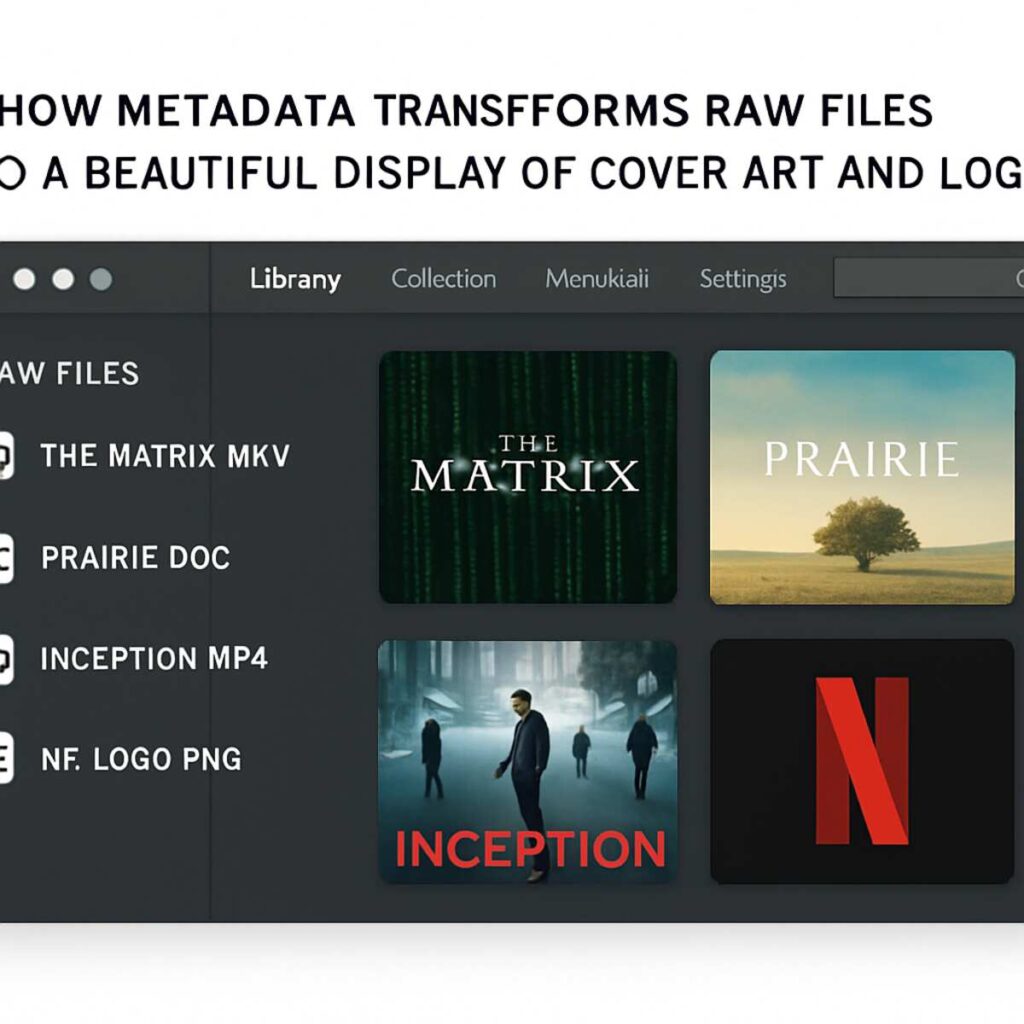
The magic that makes a digital game library look beautiful is metadata. Metadata provides the visual flair and the textual context for your collection. Understanding metadata standards for gaming collections is crucial for anyone building a serious index of games.
Essential Metadata Components
- Clear Logos: Transparent PNG files of the game’s title, used to create clean menus.
- Box Art/Covers: Typically standardized to a 2:3 aspect ratio (like DVD cases) or a 1:1 ratio (like Steam grid icons).
- Video Snaps: Short, 30-second video clips of gameplay that play when you hover over a game in your launcher.
- Background Art (Fanart): High-resolution, textless wallpapers used as UI backdrops.
Sourcing Metadata
Tools like LaunchBox and Playnite rely on scraping data from APIs. The most common sources include:
- ScreenScraper.fr: Specifically tailored for retro gaming and emulators.
- TheGamesDB: An open, user-led database providing high-quality XML data.
- SteamGridDB: The ultimate destination for custom, high-quality, user-generated cover art to make your game collection look perfectly uniform.
The Comprehensive Index: A Curated Catalog of Popular Video Games
To truly illustrate the scope of an index of games, we have curated a comprehensive alphabetical directory covering various genres, eras, and platforms. This catalog serves as a guide to some of the most influential, popular, and critically acclaimed titles in the history of interactive entertainment.
Whether you are organizing your own game collection or looking for reliable sites for game title discovery, these titles represent the foundation of gaming history.
Action and Adventure
The Action-Adventure genre blends physical challenges, puzzle-solving, and narrative exploration. It is the backbone of modern AAA gaming.
- Assassin’s Creed II (2009): A masterful blend of historical fiction and open-world exploration. It set the standard for modern open-world game design, featuring smooth parkour mechanics and a deeply engaging revenge narrative set in Renaissance Italy.
- Batman: Arkham City (2011): Often hailed as the greatest superhero game ever made. It features a revolutionary “FreeFlow” combat system, impeccable stealth mechanics, and a densely packed open world filled with iconic villains.
- God of War (2018): A stunning reinvention of a classic franchise. It transitioned the series from a fixed-camera hack-and-slash to a deeply personal, over-the-shoulder narrative journey grounded in Norse mythology.
- Grand Theft Auto V (2013): A colossus of the gaming industry. Featuring three playable protagonists and a meticulously detailed satire of Southern California, it remains one of the highest-selling entertainment products in history.
- Horizon Zero Dawn (2017): A beautiful fusion of prehistoric tribal culture and advanced robotic wildlife. It introduced players to Aloy and featured incredibly tactical bow-based combat.
- Red Dead Redemption 2 (2018): A sprawling, tragic Western epic. The level of detail in its world-building, physics, and character development is unprecedented, setting a new bar for immersive storytelling.
- The Legend of Zelda: Breath of the Wild (2017): A paradigm shift for open-world design. Instead of guiding the player with waypoints, it relied on pure curiosity, a robust physics engine, and unparalleled vertical mobility.
- The Legend of Zelda: Ocarina of Time (1998): A mandatory entry in any index of games. It pioneered 3D lock-on combat (Z-targeting) and context-sensitive controls, defining 3D game design for decades.
- The Last of Us (2013): A masterclass in environmental storytelling and character development. It delivered a visceral, emotionally devastating narrative set against the backdrop of a fungal zombie apocalypse.
- Uncharted 2: Among Thieves (2009): The game that perfected the “playable blockbuster movie” formula. It features breathless pacing, incredible set-pieces, and witty dialogue.
Role-Playing Games (RPGs)
RPGs offer deep immersion, allowing players to inhabit characters, make narrative-altering choices, and manage complex statistics and abilities.
- Baldur’s Gate 3 (2023): A monumental achievement in modern CRPGs. It perfectly translates the rules of Dungeons & Dragons into a digital format, offering unprecedented player freedom and branching narratives.
- Chrono Trigger (1995): Widely considered the peak of 16-bit RPGs. Developed by a “Dream Team” of Japanese creators, it features a brilliant time-travel plot, zero random encounters, and multiple endings.
- Cyberpunk 2077 (2020): Despite a rocky launch, it evolved into an incredibly immersive, visually stunning first-person RPG with a deeply compelling, mature narrative set in a dystopian future.
- Dark Souls (2011): A game that spawned an entire subgenre. Known for its punishing but fair difficulty, interconnected world design, and deeply obscured, atmospheric lore.
- Diablo II (2000): The definitive Action-RPG. Its addictive loot loop, dark gothic atmosphere, and intricate skill trees set a standard that modern looter-shooters and ARPGs still strive to meet.
- Disco Elysium (2019): An entirely narrative-driven RPG with no traditional combat. It features an incredibly deep, philosophical, and heavily political script, driven by the protagonist’s fractured psyche.
- Elden Ring (2022): The triumphant evolution of the “Soulsborne” formula into a massive, breathtaking open world. It offers unparalleled exploration and incredibly challenging boss encounters.
- Final Fantasy VII (1997): The game that popularized JRPGs in the West. Its cinematic presentation, iconic characters (Cloud and Sephiroth), and pre-rendered backgrounds made it a cultural phenomenon.
- Mass Effect 2 (2010): A masterful blend of third-person shooting and deep role-playing. It is famous for its intricate companion loyalty missions and a thrilling climax where every player choice matters.
- Persona 5 Royal (2019): An ultra-stylish, deeply engaging JRPG that splits its time between supernatural dungeon crawling and a highly addictive high-school social simulation.
- The Elder Scrolls V: Skyrim (2011): A legendary open-world RPG that offers unparalleled freedom. Its modding community is a massive part of the history of video game preservation efforts, keeping the game alive and evolving for over a decade.
- The Witcher 3: Wild Hunt (2015): The gold standard for open-world quest design. Even the smallest side quests are imbued with rich narrative, moral ambiguity, and spectacular writing.
First-Person and Third-Person Shooters
Shooters test reflexes, tactical thinking, and spatial awareness, ranging from fast-paced arena combat to slow, methodical tactical simulations.
- Bioshock (2007): A brilliant fusion of shooter mechanics and Ayn Rand-inspired philosophical critique. The underwater city of Rapture remains one of the most iconic settings in gaming.
- Call of Duty 4: Modern Warfare (2007): The title that revolutionized multiplayer gaming. It introduced loadouts, killstreaks, and a cinematic, fast-paced campaign that reshaped the FPS genre.
- Counter-Strike: Global Offensive / CS2 (2012/2023): The pinnacle of tactical, objective-based team shooters. Its incredibly high skill ceiling and robust economy system make it a giant in the esports world.
- DOOM (1993): A cornerstone of any alphabetical directory of retro titles. It popularized the FPS genre, introduced deathmatch multiplayer, and featured brilliant labyrinthine level design.
- DOOM Eternal (2020): A frantic, incredibly demanding “combat puzzle” that forces players into aggressive resource management while moving at blistering speeds.
- Half-Life 2 (2004): A landmark in physics-based gameplay and uninterrupted narrative storytelling. The Gravity Gun remains one of the most innovative weapons ever designed.
- Halo: Combat Evolved (2001): The game that proved shooters could work perfectly on consoles. It featured brilliant enemy AI, a balanced “two-weapon” limit, and expansive, vehicle-friendly battlefields.
- Left 4 Dead 2 (2009): The definitive co-op zombie shooter. Its underlying “AI Director” dynamically changes weapon spawns and enemy attacks to ensure no two playthroughs are ever the same.
- Overwatch (2016): A vibrant, highly polished hero shooter that successfully blended FPS mechanics with MOBA-style abilities and cooldowns, emphasizing extreme team synergy.
- Titanfall 2 (2016): Featuring arguably the greatest single-player FPS campaign of its generation. Its flawlessly fluid movement mechanics and ingenious level design (like the time-traveling “Effect and Cause” mission) are legendary.
Strategy and Simulation
These games are for the thinkers, the planners, and the managers. They require foresight, resource management, and strategic brilliance.
- Age of Empires II (1999): A masterpiece of real-time strategy. Its balance across diverse historical civilizations and incredibly enduring multiplayer scene makes it a timeless classic.
- Cities: Skylines (2015): The undisputed king of modern city-building simulators. It offers incredibly deep traffic management, zoning laws, and a massive ecosystem of community mods.
- Civilization VI (2016): The premier 4X (eXplore, eXpand, eXploit, eXterminate) game. Its “unstacking of cities” into specialized districts added a brilliant new layer of puzzle-like planning to the iconic franchise.
- Crusader Kings III (2020): A grand strategy game that focuses heavily on role-playing and lineage. It is essentially a medieval dynasty simulator where political marriages and assassinations are just as important as warfare.
- Factorio (2020): A profoundly addictive game about building massive, automated factories on an alien planet. It is the ultimate test of logistical planning and optimization.
- RollerCoaster Tycoon (1999): A masterclass in theme park simulation written incredibly in assembly language. A staple in any vintage PC game repository search, known for its deep physics and management mechanics.
- Sid Meier’s Alpha Centauri (1999): A philosophical, sci-fi spin-off of Civilization. It is widely praised for its incredible writing, customizable military units, and deeply ideological faction leaders.
- StarCraft (1998): The game that birthed modern esports. Its perfect asymmetrical balance between the Terran, Zerg, and Protoss factions is considered a miracle of game design.
- The Sims 4 (2014): The ultimate life simulation sandbox. It allows for unprecedented creativity in home building and managing the intricate, often chaotic lives of digital avatars.
- XCOM 2 (2016): A punishing, brilliant turn-based tactical game. The stress of losing highly customized soldiers permanently to alien threats creates incredibly tense and rewarding gameplay.
Platformers (2D and 3D)
Platformers are the purest expression of video game mechanics, relying on precise timing, spatial navigation, and kinetic joy.
- Castlevania: Symphony of the Night (1997): The game that, alongside Metroid, coined the “Metroidvania” genre. It introduced RPG elements, an incredible gothic soundtrack, and non-linear exploration to the platforming genre.
- Celeste (2018): A brutal but beautifully forgiving precision platformer. It pairs incredibly tight mechanics with a touching narrative about overcoming anxiety and depression.
- Crash Bandicoot (1996): A foundational 3D platformer that used clever camera angles and colorful aesthetics to push the technical limits of the original PlayStation.
- Donkey Kong Country (1994): Revolutionary for its pre-rendered 3D graphics on 16-bit hardware. It features incredibly tight platforming and one of the era’s greatest atmospheric soundtracks.
- Hollow Knight (2017): A modern masterpiece of the Metroidvania genre. It features a vast, melancholic, beautifully hand-drawn insectoid world filled with challenging bosses and deep lore.
- Ori and the Will of the Wisps (2020): A visually breathtaking platformer that combines fluid, fast-paced movement mechanics with deeply emotional storytelling and gorgeous orchestral music.
- Super Mario 64 (1996): The most important 3D game ever made. It successfully translated 2D platforming logic into a 3D space, pioneering analog stick movement and an interactive camera.
- Super Mario Bros. 3 (1988): Often debated as the greatest 2D platformer of all time. It introduced world maps, inventory systems, and brilliant, varied power-ups to the franchise.
- Super Mario Odyssey (2017): A joyous celebration of Mario’s history. The introduction of “Cappy” allowed players to possess enemies, completely changing how puzzles and platforming were approached.
- Super Metroid (1994): A masterclass in wordless, atmospheric storytelling and level design. It guides the player flawlessly through an alien world, using environmental cues rather than tutorials.
Independent (Indie) Masterpieces
The rise of digital distribution enabled small teams to bypass traditional publishers, spurring a renaissance of innovation. No modern game collection is complete without these trailblazers.
- Braid (2008): One of the games that ignited the indie boom. It wrapped complex time-manipulation puzzles around a beautifully painted aesthetic and a surprisingly dark narrative.
- Hades (2020): A masterclass in the roguelike genre. It seamlessly wove character development and narrative progression into the cycle of dying and restarting, making failure feel rewarding.
- Inside (2016): A hauntingly beautiful, deeply unsettling puzzle-platformer. It uses minimalist design, incredible animations, and an oppressive atmosphere to tell a dystopian story without a single word.
- Minecraft (2011): A global phenomenon that transcends gaming. It is a digital Lego set of limitless potential, fostering an incredible community of modders, architects, and educators.
- Outer Wilds (2019): A game driven entirely by the player’s intrinsic curiosity. Trapped in a 22-minute time loop, players must explore a miniature solar system to unravel a deeply profound cosmic mystery.
- Return of the Obra Dinn (2018): A totally unique deductive logic puzzle game. Players use a magical pocket watch to view the moment of passengers’ deaths aboard a ghost ship, trying to determine their identities and fates.
- Slay the Spire (2017): The game that perfected the deck-building roguelike genre. Its intricate balance and synergistic card combinations offer thousands of hours of replayability.
- Spelunky (2008): A pioneer of bringing roguelike elements to 2D platformers. Its procedural generation and complex, interacting systems (where everything can kill you, or kill each other) create endless emergent gameplay moments.
- Stardew Valley (2016): A phenomenal achievement developed entirely by one person. It revitalized the farming simulation genre, offering a heartwarming, endlessly relaxing escape into rural life.
- Undertale (2015): An RPG that famously subverts genre tropes. It remembers your choices, allows you to talk your way out of fights, and features a spectacularly catchy soundtrack.
Best Practices for Maintaining Your Game Library
Creating your index of games is only the first step; maintaining it is an ongoing process. As you continue to acquire new games and explore old ones, keep these best practices in mind to ensure your collection remains organized, accessible, and secure.
Regularly Update Your Metadata
As databases like IGDB and MobyGames update their records, you should periodically refresh the metadata in your local library. This ensures that you have the highest quality cover art, accurate developer credits, and the most recent community tags. Tools like Playnite have built-in bulk-update features to make this process seamless.
Back Up Your Configuration Files
If you are using tools like LaunchBox, your library relies heavily on configuration files (usually in XML or JSON). If your hard drive fails, you won’t just lose your games; you’ll lose the hours you spent organizing them. Always back up your launcher configurations, metadata folders, and save files to a secure cloud service or an external NAS (Network Attached Storage).
Contribute to the Community
The databases that allow you to organize your collection exist because of community contributions. If you notice missing release dates, incorrect cover art, or a lack of screenshots for an obscure game, take the time to submit them to platforms like MobyGames or TheGamesDB. Contributing is a fantastic way to be part of the history of video game preservation efforts.
Audit for Dead Links and Corrupted Files
If you maintain a local archive of retro games, make it a habit to audit your files. Check for file corruption using hash checkers and update any documentation you keep regarding where files were sourced. If you originally found a file via an open directory, ensure you have a local backup, as those directories frequently go offline without warning. Use the Wayback Machine to archive pages where you find rare patches or fixes, preventing future headaches from broken download links in repositories.
Conclusion
The video game medium is a rich, complex tapestry of art, technology, and interactive storytelling. As the industry moves further into an all-digital future, the responsibility of tracking, curating, and preserving these experiences increasingly falls to the community and individual collectors.
Building and maintaining a comprehensive index of games is no longer just a hobby for archivists; it is a practical necessity for any modern gamer looking to make sense of their growing digital backlog. By utilizing a comprehensive video game database search, organizing digital game libraries efficiently with tools like Playnite, and understanding how to navigate the complex world of retro repositories, you can transform a chaotic folder of files into a beautifully curated digital museum.
Whether you are hunting for nostalgic childhood memories through an alphabetical directory of retro titles, or ensuring you have accurate metadata standards for gaming collections to make your living room setup look professional, the tools and methodologies outlined in this guide provide everything you need. The games we play shape our culture—by organizing, protecting, and indexing them, we ensure that their legacy will continue to be enjoyed, studied, and celebrated for generations to come.
