



The Climber’s Guide to Slopers: How to Conquer Un-grippable Holds
What if the secret to conquering climbing’s most frustrating holds wasn’t about having stronger fingers, but about unlocking a technique that feels more like magic than muscle? You’ve likely seen it: a climber faces a huge, perfectly round hold, slaps a hand onto it, and mysteriously slides right off. It’s a common sight in gyms and competitions, leaving spectators and new climbers alike wondering what they are missing. This isn’t a failure of strength; it’s a failure to understand the puzzle. Browse the Best info about mostbet pl.
These holds are called “slopers,” and they are designed to be slippery. Imagine trying to hang from a basketball—there is simply no edge for your fingers to pull on. Their difficulty comes from this complete lack of positive features, forcing a different approach. A particularly well-known type is the “Bhandal Bet,” a specific brand of sloper that has become legendary among climbers for testing technique, not pure power, making it a perfect example of how different climbing holds test unique skills.
The solution, then, isn’t to grip harder. It’s to change your approach entirely by focusing on technique instead of raw strength. By understanding how to use friction, balance, and body tension, you can make these holds feel surprisingly secure. Forget fighting the wall; it’s time to work with it, turning the puzzle of the Bhandal Bet into a skill you can finally understand and master.
Why You Can’t ‘Grip’ a Sloper: It’s Not a Handlebar, It’s a Basketball
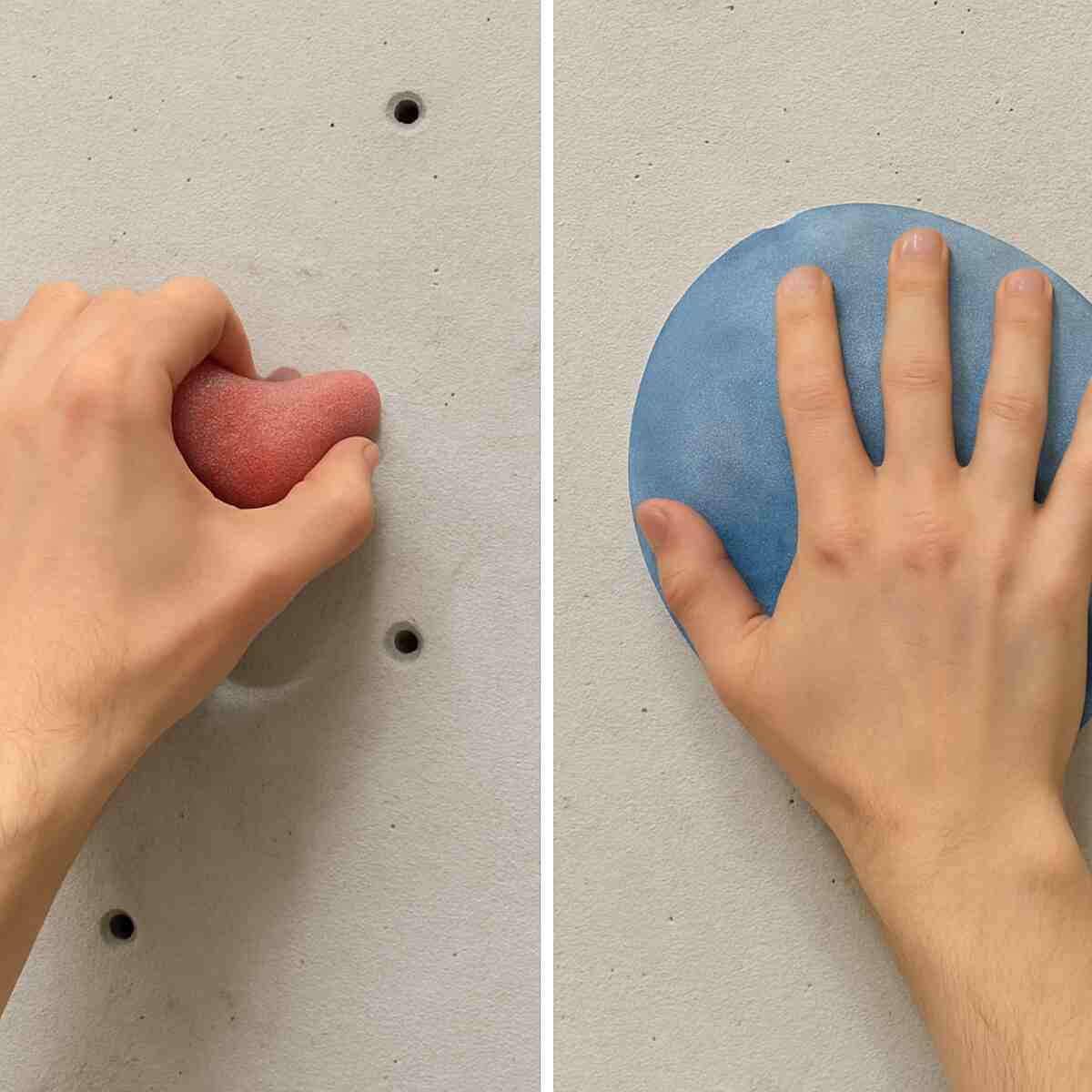
When you first look at a climbing wall, your eyes naturally seek out the good holds. You’re looking for something you can really wrap your fingers around, like the handle of a milk jug or a bar on a playground. In climbing, we call these friendly holds jugs. Their secret is a simple feature called a positive edge—a distinct lip or incut surface that lets you securely hang your weight. It’s a straightforward transaction: you pull, it holds.
But then you encounter its devious opposite. It’s often large, round, and deceptively smooth, looking more like a cannonball or a giant river stone fused to the wall. This is a sloper, and a notorious type you might see in competitions is the “bhandal bet.” What makes it so difficult is the complete absence of that positive edge. There’s no lip to curl your fingers over. You can’t grip it; you can only press your open palm against its unforgiving surface.
This is the crucial mistake most beginners and even onlookers make—they see a climber struggling and think, “Just squeeze it harder!” But trying to grip a sloper is like trying to pick up a wet bar of soap with your fingertips; applying more crushing force only makes it shoot away faster. Your hand slides off not because your grip is weak, but because you are trying to use a technique that simply doesn’t apply. The real secret isn’t about pulling down, but about using your body in a completely different way.
The Real Secret to Sticking to Slopers: It’s All About Friction
So if you can’t grip it, how on earth do you stay on the wall? The answer is a concept you already understand from everyday life: friction. Instead of trying to hook your fingers over an edge, the goal is to maximize the contact between your skin and the hold’s surface. Think about pressing your flat palm against a smooth wall and leaning into it. You don’t slide down because the pressure you apply creates friction. This is the same principle a climber uses on a sloper. It’s a shift from thinking like a construction worker pulling on a steel beam to thinking like a gecko sticking to glass.
To make this work, two things are absolutely critical: surface area and pressure. First, you want to get as much of your hand on the hold as possible—an open, engaged palm, not just your fingertips. Imagine trying to stop a beach ball from rolling off a table with one hand; you wouldn’t poke it, you’d press down with your whole palm. Second, you generate the necessary pressure by using your body weight as a tool. The more of your weight you can direct straight down through your hand and onto the hold, the more friction you create.
This turns the “bhandal bet” from a test of raw finger strength into a delicate puzzle of body awareness. Success isn’t about a desperate squeeze; it’s about finding that perfect, stable position where your body weight locks your hand onto the hold. You’ll feel it click into place—a feeling of being heavy and secure, not light and panicky. The first step in finding this balance is learning exactly where to put your body, which begins with your hips.
Technique 1: How Getting Your Hips Low Makes You ‘Heavier’ on the Hold
It might seem counterintuitive, but the key to controlling a sloper with your hand often begins with your hips. Your body’s center of balance—its center of gravity—is typically located around your hip area. The single most important rule for using a sloper is to position this center of gravity directly underneath the hold. Think of your body like a pendulum weight hanging from a pivot point. When the weight is straight down, it’s stable and exerts maximum downward force. For a climber, your body is the weight, and the sloper is the pivot point. Getting your hips low and underneath the hold creates this same stable, heavy-on-the-hold position.
When your body is directly below the hold, your entire weight works to press your hand into the surface, maximizing that crucial friction we talked about. Now, imagine what happens if your hips swing out to the side. You are no longer pulling straight down; you’re starting to peel your hand off the wall, the same way you’d pull a command strip off at an angle. This peeling force is friction’s worst enemy. A climber whose feet are too high and hips are away from the wall will feel their hand slide right off, no matter how strong they are.
So, the next time you face a “bhandal bet” or any sloper, make your first thought: “Get my hips down and in.” As you reach for the hold, consciously drop your weight, allowing your body to sag underneath it. This low, hanging position is most effective when your arm acts like a straight rope rather than a bent, flexed lever.
Technique 2: Why Straight Arms and Engaged Shoulders Are Your Best Friends
With your hips low, it’s tempting to think you need to pull yourself up with a bent, flexed bicep. However, this burns precious muscle energy. Instead, think of your arm as a structural support. Keeping your arm straight allows your skeleton to take most of the load, just like holding a heavy grocery bag is easier at your side with a straight arm than held halfway up. For climbing straight arms, the goal isn’t to be passive; it’s to be efficient, saving your muscles for the moments you truly need to pull.
A straight arm alone, however, can feel unstable, like a loose rope. This is where “body tension” comes in. To create it, you need to actively engage your shoulder. This doesn’t mean shrugging it up to your ear. Instead, try to pull your shoulder blade down and back, locking your arm into its socket. This simple flex creates a firm, stable connection from your hand all the way to your core. It turns that loose rope into a taut, unmoving cable, giving you immense control over your body’s position.
This stability is crucial because it stops you from swinging away from the wall. Without shoulder engagement, your body can easily pivot outward like a barn door opening, a common frustration when learning how to climb slopers. This “barn-dooring” peels your hand right off the hold. But with that shoulder locked in, you create resistance. The body tension climbing technique keeps your torso tight to the wall, maintaining that all-important downward pressure on the sloper.
By combining low hips with a straight, engaged arm, you create a powerful system of leverage and friction. You’re no longer just hanging—you are an active, stable structure locked onto the wall. But all this upper-body work is designed to give you a stable platform, allowing you to generate real power from where it counts most: your feet.
Technique 3: Use Your Feet to ‘Push’ Yourself Into the Hold
All this talk about arms and shoulders might make you think success on a sloper is an upper-body game. The real secret, however, is in your climbing footwork. Your hand on the sloper is just an anchor; the driving force comes from your feet. Instead of simply standing on footholds below you, your goal is to find footholds that allow you to actively push your hips and body weight horizontally into the wall. This inward pressure is what pins your palm to the hold and generates the friction you need to stick.
Imagine you’re trying to brace yourself in a narrow hallway. You might press your back against one wall and push your feet into the opposite one. That stable, locked-in feeling is a concept climbers call “opposition”—creating tension by pushing and pulling in opposite directions. On a climbing wall, you can replicate this by finding a foothold that is positioned well away from your body. Driving force into that foothold creates a powerful counter-pressure that stabilizes your entire body against the wall.
By pushing hard with your feet, you create a system of tension that locks your hand in place, transforming the hold from a slippery nightmare into a stable platform. You’re no longer just hanging passively; you’re actively creating the stability you need by squeezing your body between the holds. With these techniques understood, you have all the tools required to conquer that first intimidating round hold. It’s time to assemble them into a clear, 4-step plan for success.
Your First Bhandal Bet: A 4-Step Plan for Success
You have all the individual tools; now, let’s assemble them into a simple, repeatable strategy. The key to conquering a bhandal bet or any sloper is to do most of the work before you even touch it. By setting your body up for success first, you turn a desperate slap into a controlled, stable move. Run through this mental checklist every time you face a sloper.
Your 4-Step Sloper Checklist:
- Assess the Hold: Look for the best part. Is there a slightly flatter spot or a more textured area? Aim for that.
- Position Your Body First: Before reaching, get your feet in place and move your hips into the ideal low position. Your body should be ready to create tension.
- Make Contact: Don’t slap. Place your hand deliberately onto the spot you chose, maximizing the amount of your palm and skin on the surface.
- Sink In and Trust It: The instant you make contact, commit. Immediately drop your weight, keep your arm straight, and lean back. Let friction do its job.
The real magic happens in that final step. Your instinct will be to grab and pull upwards, but this is exactly what causes you to slide off. You have to fight that urge. The moment your palm touches the bhandal bet, your goal isn’t to pull up, but to sink. This single action engages everything you’ve learned: it keeps your arm straight, your hips low, and activates the friction you generated with your footwork.
Mastering this sequence is key, but it’s easy to fall back into old habits. Recognizing the most common sloper mistakes and how to fix them on the spot is crucial for progress.
3 Common Sloper Mistakes and How to Instantly Fix Them
Even with a solid 4-step plan, your survival instincts can kick in and sabotage your efforts on a bhandal bet. When your hand starts to slide, your brain screams “Grab harder!” But on a sloper, listening to that instinct is a guaranteed way to peel off the wall. Recognizing these common pitfalls is the first step to overriding them and making these holds feel secure.
The most frequent mistake is trying to pull yourself up with the hold. This causes you to bend your elbow, pulling your body close to the wall with your arm locked in a tense, flexed position—what climbers call having “T-Rex arms.” This posture kills friction and wastes a massive amount of energy. The Fix: The moment you feel your bicep tense up, consciously drop your hips down and away from the wall. Force your arm to go straight. This immediately transfers your weight back onto the hold correctly, letting friction take over.
Your next instinct is often to focus all your attention on the problematic handhold, completely forgetting about your feet. This is like trying to hammer a nail while standing on a wobbly stool; if your foundation is shaky, the task becomes impossible. If your feet aren’t secure and helping you create tension through your entire body, your hand doesn’t stand a chance. The Fix: Before you even reach for the sloper, look down. Find the best possible footholds and establish a solid, balanced base. Your hands just keep you on the wall; your feet are what move you up.
Notice a pattern? All these mistakes stem from fighting the hold instead of working with it. Correcting them in the moment is crucial, but building the right muscle memory is the long-term solution. Fortunately, you can develop sloper-ready body tension without even touching a climbing wall.
Beyond the Wall: Two Simple Exercises to Master Sloper-Ready Body Tension
That feeling of total-body stability isn’t something you can just will into existence; it’s a skill you can build anywhere. Developing strong “body tension” is the secret to making slopers feel solid, and you can start training for them right in your living room. These two simple climbing exercises at home will help you improve body tension by teaching your muscles what stability feels like.
Here’s how to get started:
- The Plank: Hold a standard plank for 30 seconds. Don’t just go through the motions—actively focus on creating a tight, straight line from your shoulders to your heels. Squeeze your core and glutes. This exact feeling of a locked-in body is what prevents you from sagging and peeling off a sloper on the wall.
- The Wall Press: Stand facing a wall and place your palms flat against it with straight arms. Now, lean your body weight into your hands. Gently shift your weight from side to side and feel how the friction under your palms keeps you stable. This directly mimics the sensation of using a sloper, but without any fear of falling.
Practicing these movements helps turn an abstract idea into a physical feeling you can recognize and recreate when it counts. By building this foundation, you start to learn the language of the wall, transforming these once-feared holds into valuable teachers.
From Foe to Friend: How Slopers Make You a Smarter Climber
That giant, smooth hold that once seemed impossible to grip no longer has to be a dead end. You now understand the secret isn’t about having stronger fingers, but about shifting your perspective. Instead of trying to pull down, you can now use your whole body—leaning back, staying low, and trusting the power of friction.
This shift in your climbing mindset is the key to unlocking real progress. By forcing you to focus on balance and body tension, holds like the “bhandal bet” teach you the fundamentals of efficient movement. The skills you develop here will make you more graceful and confident on every other part of the wall, helping you become a better climber overall.
So the next time you see a sloper, don’t groan. See it as an invitation. Approach it not with the pressure to succeed, but with the curiosity to feel that “aha!” moment when your body locks into place. This is where your journey truly begins.
